
Why employees do what they do.
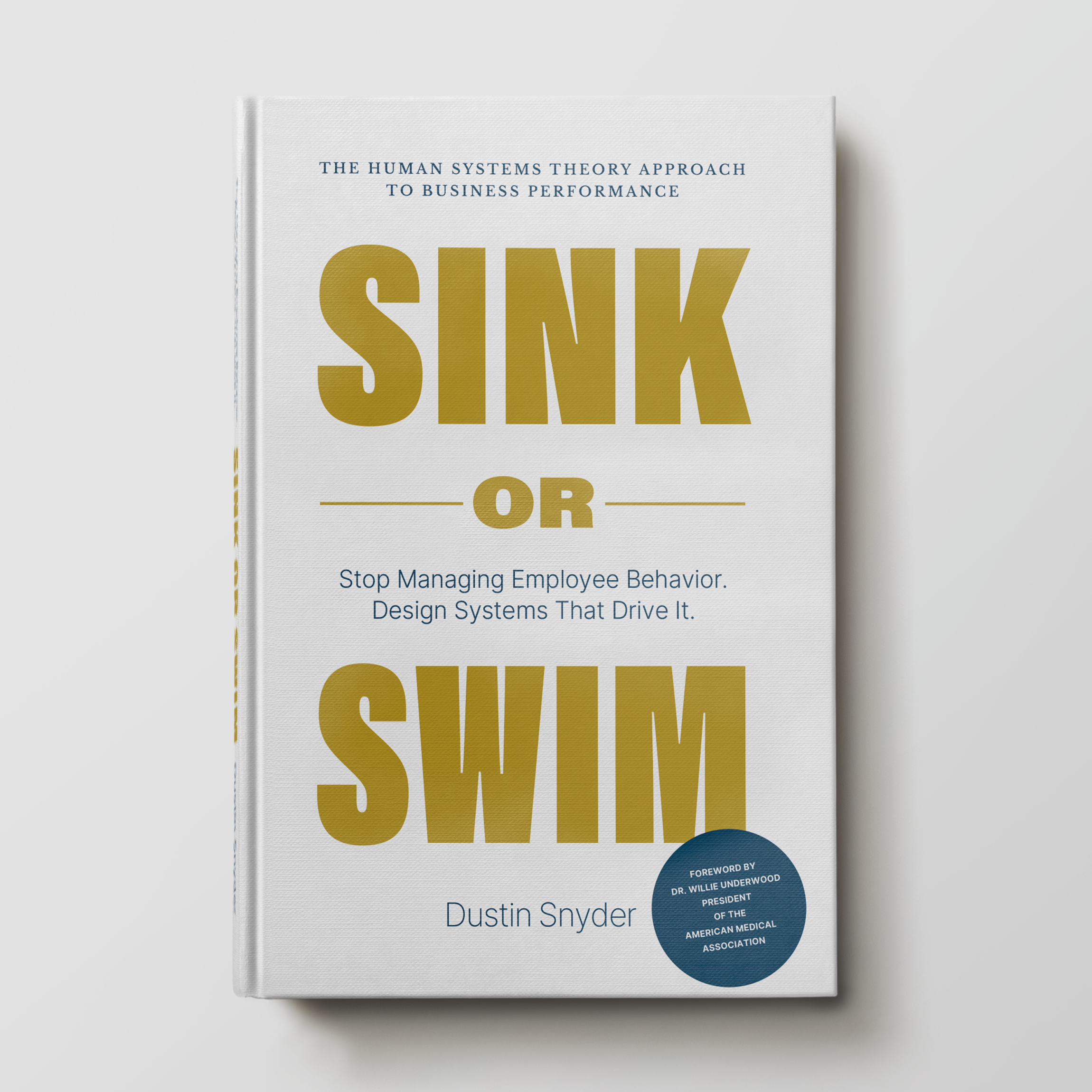
Stop managing employee behavior. Design systems that drive it.
Your organization’s dysfunction isn’t random. It’s the predictable output of environmental factors you haven’t identified yet.
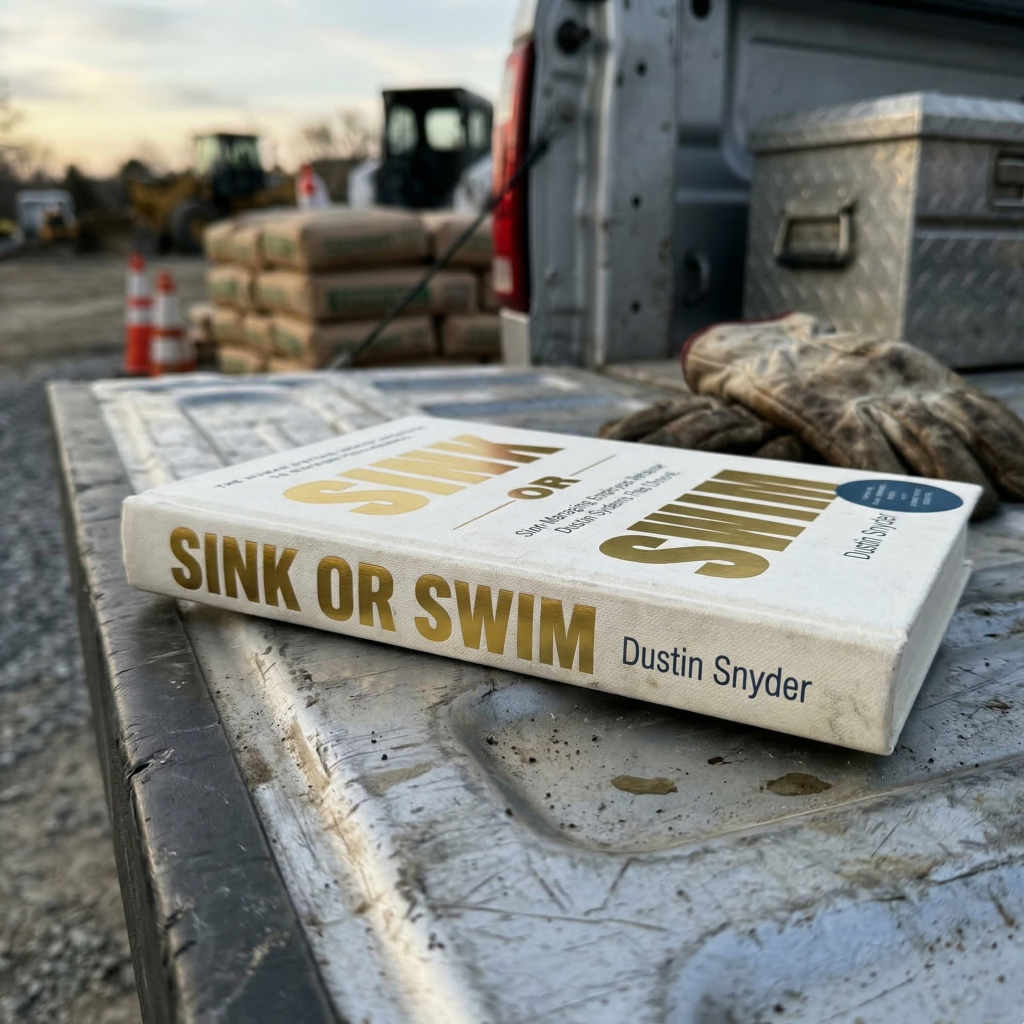
SINK OR SWIM introduces the diagnostic methodology that reveals why your people do what they do — and what to change so they do what you need.
The new book by Dustin Snyder

You’ve tried other business books.
The problems persist.
Leadership development programs. Communication initiatives. Reorganizations. Performance management systems. Culture committees.
Each launched with conviction. Each implemented with resources. Each producing some initial movement before the organization settled back into patterns indistinguishable from before.
You’re not imagining the pattern.
Somewhere in your organization right now, talented people are updating their resumes. They are not leaving because of compensation or competitors or generational restlessness. They are leaving because environmental factors you have not yet identified are making their work harder than it needs to be, their contributions less valued than they should be, their future less clear than they need it to be.
They are swimming against currents they cannot name, exhausting themselves against forces that feel permanent but are not.

What if the people aren’t the problem?
You’ve read Simon Sinek. You’ve read Jocko Willink. You’re a great senior executive.
But the organization isn’t behaving the way you’d expect.
Most leadership frameworks address your individual behavior — mindset, communication, accountability, ownership. You’ve achieved that. And they’re not wrong. But they’re incomplete.
Organizations fail at the level of systems. The environment you’ve designed — the processes, structures, incentives, and conditions your people work inside every day — that environment is producing exactly the behavior you keep trying to fix. The perspective to take:
Employee behavior is rational.
People respond sensibly to the conditions around them.
Change the conditions, change the response.
Introducing SWIM™
Strategic Workforce Insight Mapping
Where engagement surveys ask employees how they feel and report the aggregate, SWIM™ traces the behaviors, feelings, and beliefs back to specific, identifiable, changeable factors in their environment.
Where culture initiatives attempt to shift behavior through messaging and values statements, SWIM™ identifies the structural conditions that made the old behavior rational in the first place.
Deployed across organizations in manufacturing, healthcare, energy, SaaS, financial services, academia, agriculture, tech, and more. The pattern holds every time:
The problems leadership keeps trying to solve through coaching, training, incentives, and accountability are really systems problems. People are responding rationally – like a survival mechanism – to conditions that make dysfunction the path of least resistance. Their brains will not allow them to change their behavior until their environment changes.
When leaders finally see that — when the system becomes visible — everything changes.
Organizations that have conducted targeted interventions based on SWIM results have achieved: 54% improvement in variable margin 56% decrease in voluntary turnover 22% reduction in labor cost of goods sold 85% decrease in voluntary turnover $2.1M operating budget decrease 100% elimination of late orders -6% to +11% Net Revenue YoY 73% decrease in new hire voluntary turnover 68% increase in variable margin 38% increase in OTD 56% improvement in defect rate 69% drop in voluntary turnover 250% improvement in on-track OKRs 160% increase in qualified candidates per role


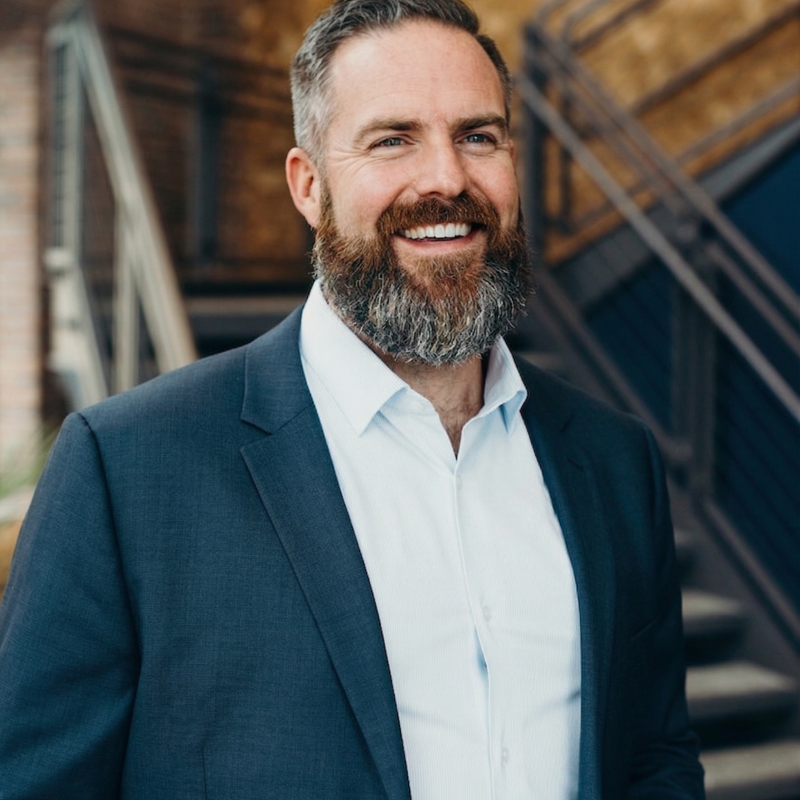
About Dustin Snyder
Dustin Snyder is the founder of Wayforward and the developer of Strategic Workforce Insight Mapping (SWIM™). Prior to Wayforward, his career spanned senior leadership roles in Human Resources, Labor Relations, and Operations across manufacturing and large healthcare systems. In 2020 he deployed SWIM™ within his own organization at scale, and was floored not only by the results, but by the swift and contagious employee buy-in on change in its wake. In 2021 he systematized the methodology into what it is today, and launched Wayforward.
He has since deployed the SWIM™ diagnostic methodology across dozens of organizations nationally, consistently revealing that the problems leadership tries to solve through individual intervention are most often systems problems — and that changing the environmental conditions changes the behavioral outcomes of large segments of the workforce at once.
The companion field manual, Learn to SWIM™, provides HR executives and practitioners with the full diagnostic toolkit to conduct SWIM™ themselves.
The currents can be mapped.
The forces can be changed.
Your people can be kept.
This book shows you how to see what you’ve been missing.
